

EkoDeluxe AC/DC & True RMS Clamp Meters
This collection is the AC/DC clamp meter angle for UK electricians and plant engineers: when AC-only jaws are not enough, how True RMS still applies, and how to pick between a dedicated AC clamp and a meter that also handles DC current paths.
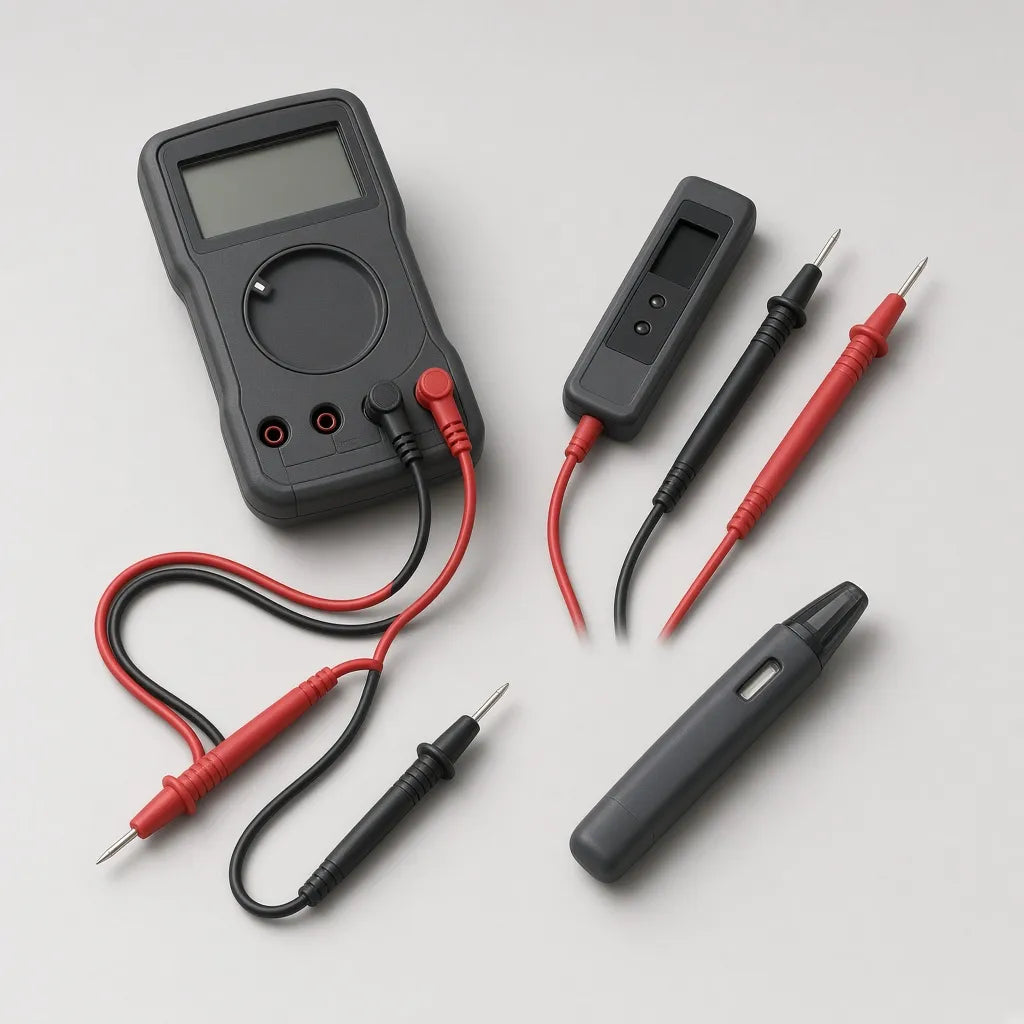




This collection is the AC/DC clamp meter angle for UK electricians and plant engineers: when AC-only jaws are not enough, how True RMS still applies, and how to pick between a dedicated AC clamp and a meter that also handles DC current paths. Pair it with the main clamp meters hub for True RMS / inrush overview.
AC-only vs AC/DC: which job are you on?
| Scenario | Typical need |
|---|---|
| Ring finals, lighting, most distribution AC loads | AC clamp (True RMS preferred) |
| PV strings, battery systems, DC motor drives, vehicle / UPS DC legs | AC/DC capable clamp or adapter path |
| Motor start on AC plant | AC True RMS + inrush / peak |
| Mixed van work, uncertain next call | Review both this page and the main clamp hub |
Always confirm the individual product page for AC versus DC current ranges before you buy—category copy does not override the listing specs.
Selection checklist (AC/DC focus)
- Confirm DC current is required — many UK electrical jobs never leave AC; do not pay for DC jaws you will not use.
- True RMS on AC — still the right default for electronic loads even when the meter also does DC.
- Range & resolution — DC work often needs both low-amp resolution and a high enough ceiling for the conductor you clamp.
- Jaw & access — DC battery and PV work can be cramped; jaw shape matters as much as headline amps.
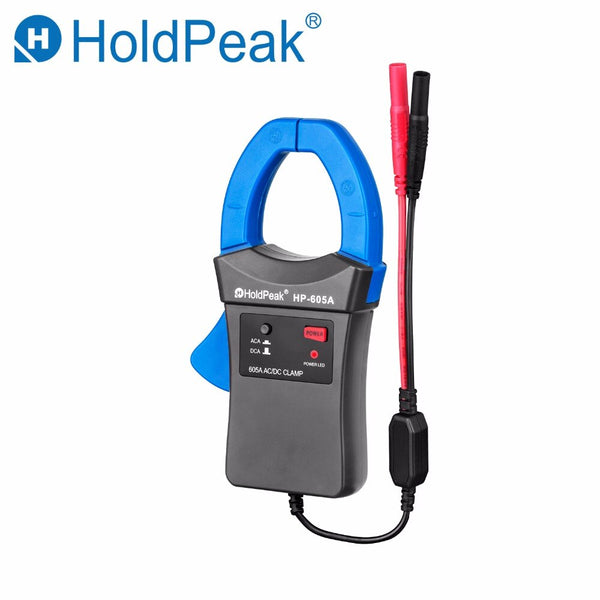
- Adapter vs integrated — some workflows use a clamp adapter with an existing meter (see HoldPeak HP-605A) instead of a full AC/DC clamp body.
Live models to compare
- ZOYI ZT-QS9 — True RMS clamp with inrush / peak hold.
- FNIRSI DMC-100 — digital clamp meter for UK buyers comparing feature sets.
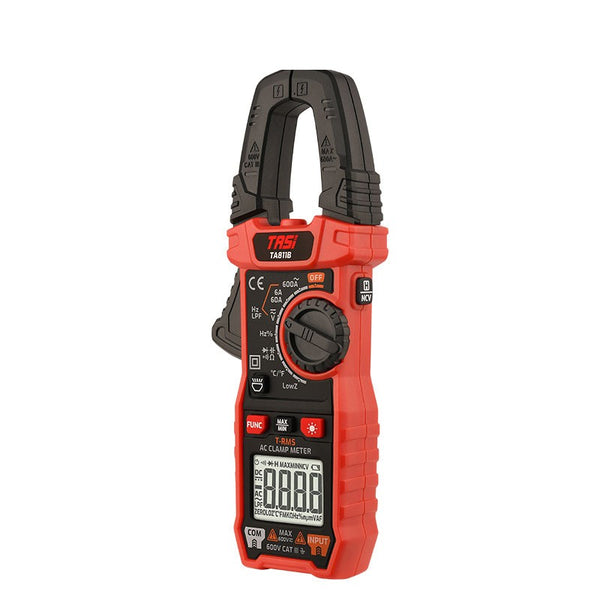
- TASI TA811B — True RMS AC clamp reference point.
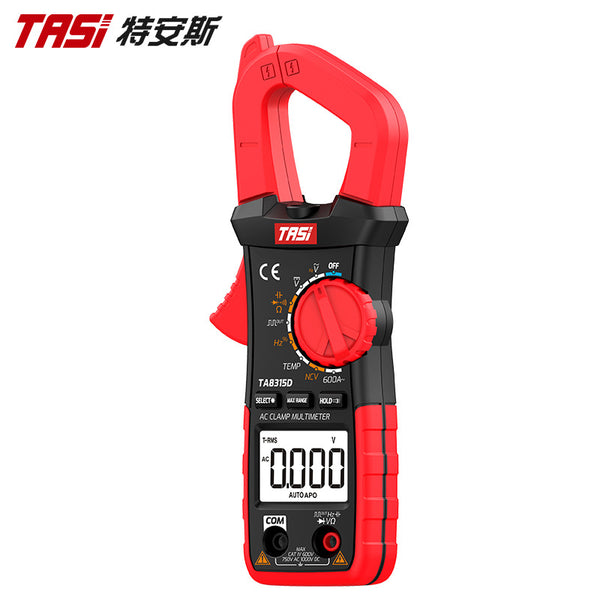
- TASI TA8315D — AC clamp multimeter for voltage + current on one tool.
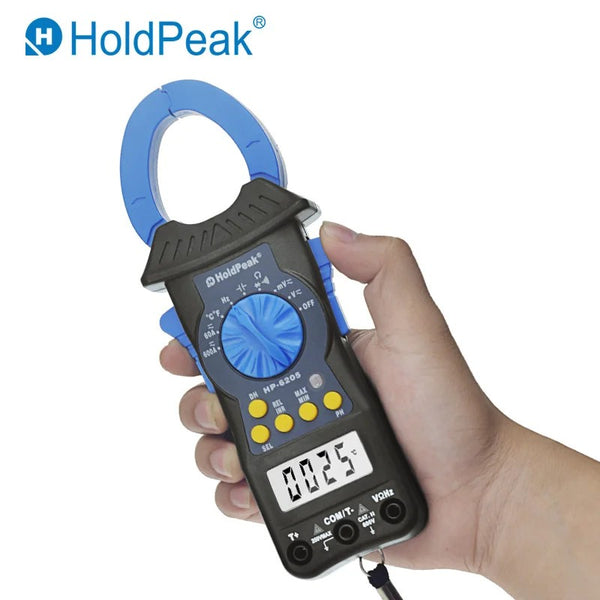
- HoldPeak HP-6205 — digital clamp option in the same category family.
- HoldPeak HP-605A clamp adapter — adapter route when your workflow is meter + jaw.
Open each product page for the exact AC/DC capability, ranges, and accessories included.
Related reading & collections
- Clamp meters (True RMS & inrush hub)
- Electrical network testers
- Insulation testers
- Multimeter vs clamp meter
- Calibration and accuracy basics
Safety & UK buyer notes
Match CAT rating and probe leads to the circuit. DC systems (PV, batteries) have their own arc and polarity hazards—follow manufacturer and employer rules. EkoDeluxe shows VAT-inclusive prices where applicable, offers VAT invoices, free UK delivery on qualifying orders, and typical 1–2 day dispatch with 5–7 day delivery.
FAQ
What does AC/DC mean on a clamp meter?
It means the instrument (or adapter system) can measure alternating current and direct current through the jaw or listed DC path—not only AC mains current.
Do all clamp meters measure DC current?
No. Many affordable clamps are AC-only. If you need DC amps, verify that on the product page before checkout.
Is True RMS only for AC?
True RMS describes how AC waveforms are calculated. DC current is a steady value; you still want True RMS for the AC side of an AC/DC meter.
When should I choose a clamp adapter instead?
When you already trust a multimeter and want a jaw accessory for high current—see the HoldPeak HP-605A listing and confirm compatibility.
How does this page differ from the main clamp collection?
The main clamp meters hub leads on True RMS and inrush for general UK electrical work. This page stresses AC versus DC job fit.
Where next if I need insulation tests?
Current clamps do not replace megger-style tests—use insulation testers.