
Boiler Flue Gas Analyser Hub (UK)
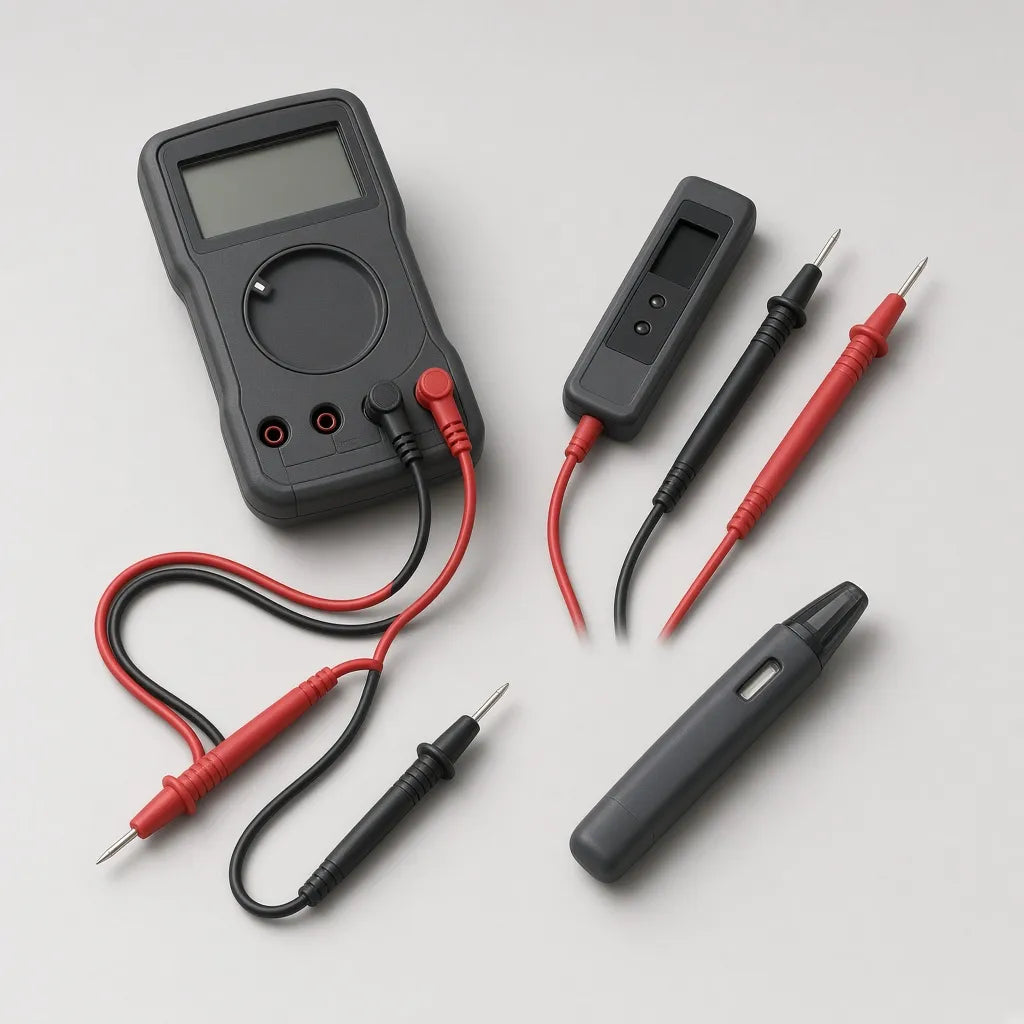
New instruments for this category are being added. Read the buying guides or Ask an engineer.
It frames the combustion visit: where you sample, what “good” readings support, which accessories matter on a boiler flue, and how this page relates to the wider flue gas analysers collection.
Stock honesty: live boiler/flue analyser SKUs appear on these collections as they are listed. We do not invent model numbers or prices on this hub. Build your shortlist from the checklist and related guides while stock lands.
Boiler / combustion scene: what you are proving
On a typical UK domestic boiler service you insert a flue probe into the designated sample point, let readings stabilise, and record O₂, CO, flue temperature, and calculated efficiency or excess air. The goal is to confirm the burner is set within manufacturer limits and that CO in the flue is controlled—not to replace a room CO alarm or a personal gas detector.
- Commissioning — first fire and manufacturer checklist after install or major parts change.
- Annual / contract service — documented combustion figures for landlords, housing associations, and commercial clients.
- Fault-finding — high CO, sooting, unstable flame, or efficiency complaints after heat exchanger or burner work.
Probe placement & kit that matter on boilers
- Correct sample point — Use the appliance’s designed flue test point; forcing a probe through seals or wrong ports risks readings and damage.
- Probe length & temperature rating — Short domestic flues differ from rooftop commercial stacks; match hose and thermocouple rating to the plant.
- Condensate & filters — Wet flue gas kills sensors; keep water traps and particle filters serviceable.
- Stabilisation time — Rushing a reading before O₂/CO settle is a common cause of “mystery” fails on revisit.
- Ambient CO cross-check — Some jobs also need room-air CO awareness; that may be a second instrument from gas detectors, not the flue probe alone.
Boiler visit toolkit beyond the analyser
Combustion rarely travels alone. On the same call you may need differential pressure for gas valve setup, flue or flow/return temperature checks, and airflow tools for fan-assisted appliances. Browse:
- HVAC tools — field meters that sit beside boiler work.
- Gas detectors — ambient leak find and toxic-gas awareness.
- How to choose a flue gas analyser (UK)
- Flue gas analyser for boiler engineers
- Boiler flue gas analyser vs combustion analyser
- Flue gas analyser calibration guide (UK)
- How often to calibrate a flue gas analyser
- Calibration and accuracy basics
How this hub differs from the main FGA collection
The main flue gas analysers page is the category overview: who buys, feature checklist, and how analysers differ from detectors. This boiler hub stays in the combustion scene—probe practice, service paperwork mindset, and plant-room realities. Use both: overview to shortlist, boiler hub to brief the visit.
Calibration & paperwork mindset
Sensor drift is normal. Heating contractors who treat calibration as optional eventually ship bad certificates. Keep a diary of last cal date, sensor age, and any error codes. Pair that habit with the principles in calibration and accuracy basics and the dedicated FGA calibration guide. Employer and manufacturer procedures always override marketing copy on this page.
UK delivery & buyer notes
EkoDeluxe prices include VAT where shown; VAT invoices are available. Free UK delivery on qualifying orders; typical dispatch 1–2 working days and delivery 5–7 working days. 30-day returns apply as published. This content helps UK buyers choose categories and related kit—it is not Gas Safe training or appliance-specific installation advice.
FAQ
Why a separate boiler flue gas analyser hub?
Boiler work has its own probe, paperwork, and plant-room context. This hub keeps that scene clear while the main flue gas analysers collection covers general selection.
Can I use a gas detector instead of a flue analyser on a boiler?
No. Ambient gas detectors do not replace flue sampling for combustion setup. Many engineers carry both for different parts of the visit.
What readings matter most on a domestic boiler?
Follow the appliance manufacturer: typically O₂ or CO₂, CO, flue temperature, and calculated efficiency or excess air after the reading stabilises.
How often should an analyser be calibrated?
Follow the instrument maker and your employer’s QA scheme. As a working habit, diary sensor age and last calibration and treat failed bump/cal checks as stop-work. See how often to calibrate a flue gas analyser.
What else should be in the van with the analyser?
Common companions include manometers, thermometers, HVAC airflow tools, and a suitable gas detector—see the HVAC and gas detector collections linked above.
Do you stock boiler flue gas analysers yet?
Yes, as SKUs are listed in the shop. Until then this page remains the combustion-scene hub with selection and internal links only—we do not invent FGA model numbers.